From Devanagari to Mohenjo-daro: Scripts Bridging Bharat’s Millennia-old Heritage
Explore the fascinating journey of Bharat’s ancient scripts — from the spiritual elegance of Devanagari, to the lesser-known Sindhi (Khudabadi) script, and further back into the cryptic Indus Valley inscriptions of Mohenjo-daro.
This video dives into:
The evolution and spread of writing systems across Bharat
The legacy of Hindi Diwas and how Devanagari became India's official script
The enduring cultural relevance of Sindhi amidst centuries of invasions
The mysteries of the undeciphered Indus Script
How these scripts form a bridge across time, preserving the unbroken cultural thread of Sanatan Dharma
// we have Yajnadevam's ( Bharath Rao) paper on decoding Indus script, which is sanskrit. PGurus takes a journey on other scripts including brahmi, sindhi lipi (closely related to Santali) and devanagari. Devanagari has 48 primary characters (14 vowels and 34 consonants). Inscriptions are available 1-4 centuries CE in Gujarat, 11th century in Udayagiri MP. By 1000 CE manuscripts in devanagari appeared. 120 languages including Sanskrit, Marathi, Nepali, Konkani, Maithili, Bodo, Dogri, etc. The sindhi lipi is more closer to harappan symbols. Devanagari is an abugida script, ensures accurate representation of spoken sounds.
Kharosthi - right to left. Indus is also right to left. Sanskrit has शब्दमञ्जरी Sabda Manjari or declensions (case in english). Sanskrit has singular, dual and plural. Latin also has dual. Prakrit was used prior to Sanskrit. During the Ashoka phase brahmi was used extensively. From Brahmi devanagari evolved.
Know Your India
Re: Know Your India
https://archive.org/details/in.ernet.dl ... 3/mode/2up
PP 365-369
(PP 365 is page # 373 in a PDF viewer)


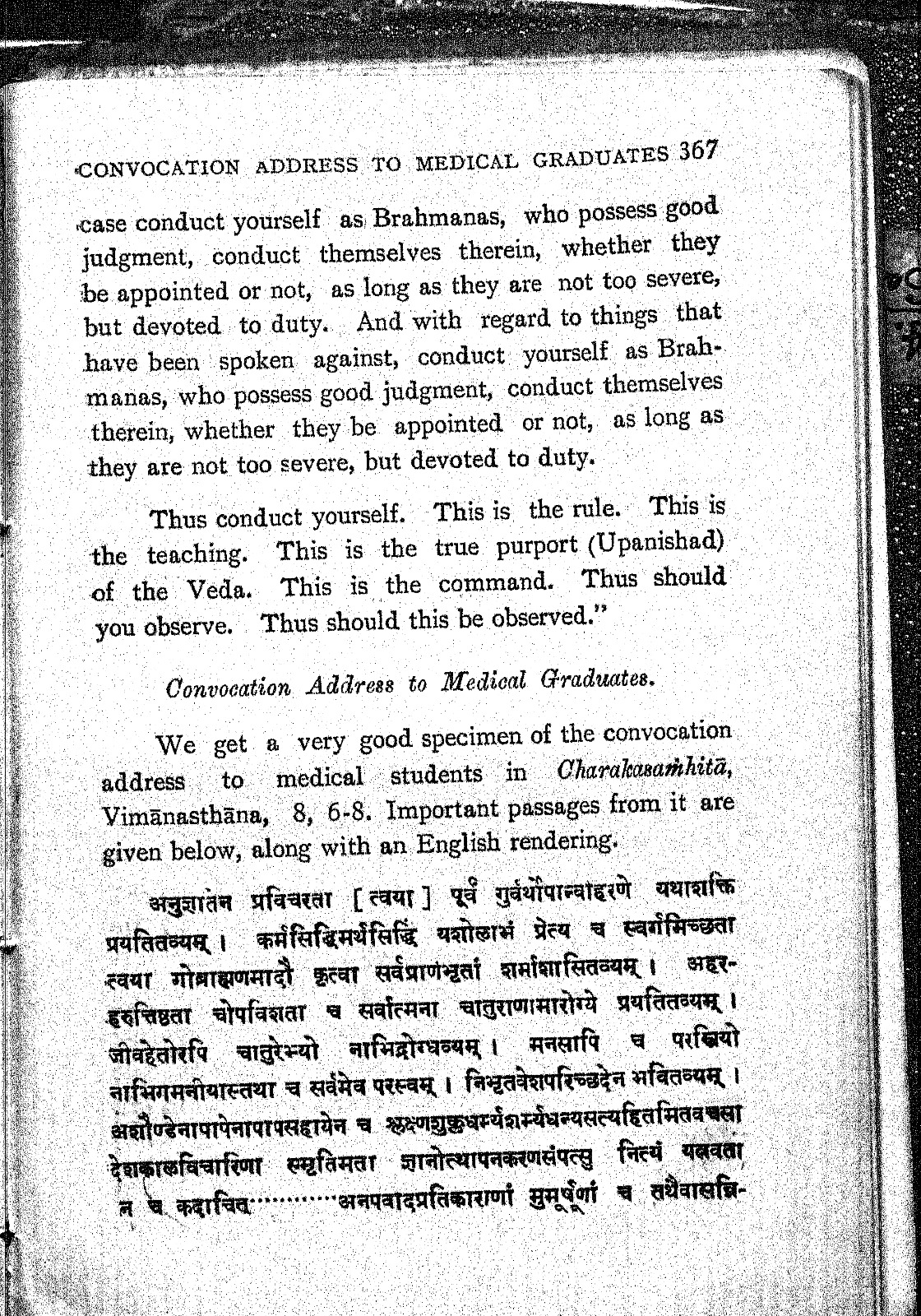
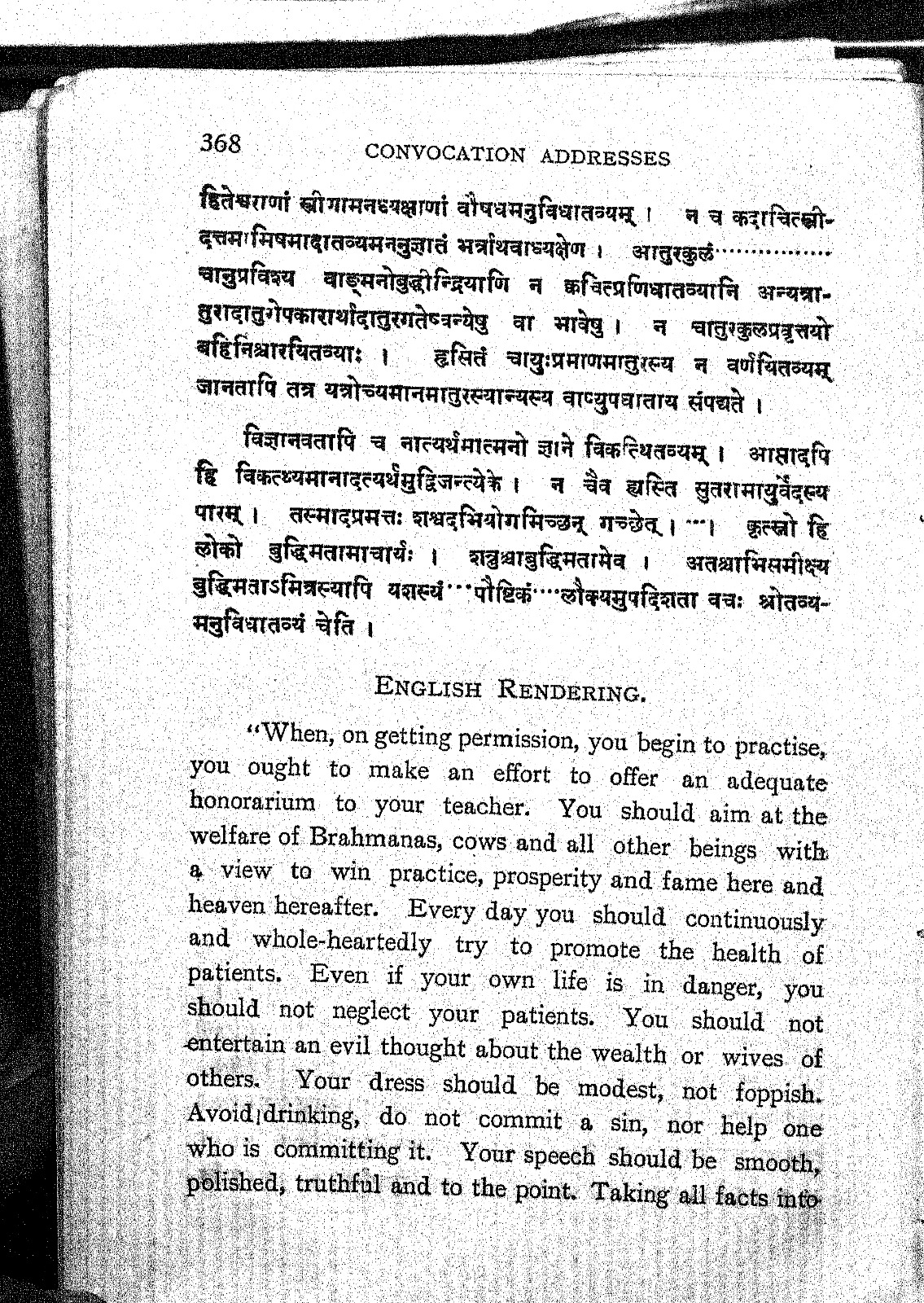

PP 365-369
(PP 365 is page # 373 in a PDF viewer)
Re: Know Your India
India's Stitched Ship: Built Without Nails. Sails Across Oceans | Sanjeev Sanyal | Vishnu Som
Economist Sanjeev Sanyal leads ground-breaking reconstruction of 5th century Indian stitched ship INSV Kaundinya, revealing India's forgotten maritime dominance. Based on Ajanta cave paintings and ancient texts, this authentic vessel demonstrates sophisticated shipbuilding techniques that enabled Indian Ocean trade networks spanning till Rome. The project preserves vanishing traditional craftsmanship while showcasing India's advanced maritime heritage predating European naval technology.
About the Speakers:
Sanjeev Sanyal is a leading Indian economist, historian, and member of the Prime Minister’s Economic Advisory Council. A Rhodes Scholar and former Global Strategist at Deutsche Bank, he now shapes India’s economic policy and global financial engagement. He was named Young Global Leader by the World Economic Forum in 2010. He is also a well-known environmentalist and urban theorist. He has been a Visiting Scholar at Oxford University, an Adjunct Fellow at the Institute of Policy Studies, Singapore and a Senior Fellow of the Worldwide Fund for Nature. He is an accomplished writer of many critically acclaimed books.
Vishnu Som is Group Executive Editor at NDTV and anchor of the flagship show Left, Right and Centre. An award-winning television journalist with nearly three decades of experience, he has reported from major conflict zones. Vishnu has interviewed world leaders from Vladimir Putin and Shinzo Abe to Bill Gates and John Kerry, anchored global sessions at the World Economic Forum, and produced over 50 acclaimed documentaries.
Topics Covered:
00:00 Introduction - India's Peninsular Identity Crisis and Maritime Heritage Gap
01:24 INSV Kaundinya Project - From Vision to Construction
08:55 Sanjeev Sanyal’s Vision of Ancient Shipbuilding Renaissance
10:38 Kaundinya's Epic Love Story - First Indian Mariner
13:15 Design of the Stitched Ships of Ancient India
19:24 Sailing Challenges - Square Sails, Steering Oars, and Ancient Navigation
22:23 Indian Ocean Trade Dominance - Merchant Guilds and Naval Power
24:20 Support and Backing for the Stitched Ship Project
27:01 Harappan Anchor - Stone Technology Spanning Millennia
Economist Sanjeev Sanyal leads ground-breaking reconstruction of 5th century Indian stitched ship INSV Kaundinya, revealing India's forgotten maritime dominance. Based on Ajanta cave paintings and ancient texts, this authentic vessel demonstrates sophisticated shipbuilding techniques that enabled Indian Ocean trade networks spanning till Rome. The project preserves vanishing traditional craftsmanship while showcasing India's advanced maritime heritage predating European naval technology.
About the Speakers:
Sanjeev Sanyal is a leading Indian economist, historian, and member of the Prime Minister’s Economic Advisory Council. A Rhodes Scholar and former Global Strategist at Deutsche Bank, he now shapes India’s economic policy and global financial engagement. He was named Young Global Leader by the World Economic Forum in 2010. He is also a well-known environmentalist and urban theorist. He has been a Visiting Scholar at Oxford University, an Adjunct Fellow at the Institute of Policy Studies, Singapore and a Senior Fellow of the Worldwide Fund for Nature. He is an accomplished writer of many critically acclaimed books.
Vishnu Som is Group Executive Editor at NDTV and anchor of the flagship show Left, Right and Centre. An award-winning television journalist with nearly three decades of experience, he has reported from major conflict zones. Vishnu has interviewed world leaders from Vladimir Putin and Shinzo Abe to Bill Gates and John Kerry, anchored global sessions at the World Economic Forum, and produced over 50 acclaimed documentaries.
Topics Covered:
00:00 Introduction - India's Peninsular Identity Crisis and Maritime Heritage Gap
01:24 INSV Kaundinya Project - From Vision to Construction
08:55 Sanjeev Sanyal’s Vision of Ancient Shipbuilding Renaissance
10:38 Kaundinya's Epic Love Story - First Indian Mariner
13:15 Design of the Stitched Ships of Ancient India
19:24 Sailing Challenges - Square Sails, Steering Oars, and Ancient Navigation
22:23 Indian Ocean Trade Dominance - Merchant Guilds and Naval Power
24:20 Support and Backing for the Stitched Ship Project
27:01 Harappan Anchor - Stone Technology Spanning Millennia
Re: Know Your India
Cross posting from Tradition, Culture, Religion & Law in Indian Society
https://x.com/ksmkkbookscom/status/835001141574385664
@ksmkkbookscom
This is how ASI has stored ancient palm leaf manuscripts at Satyagiriswar temple Thirumayam
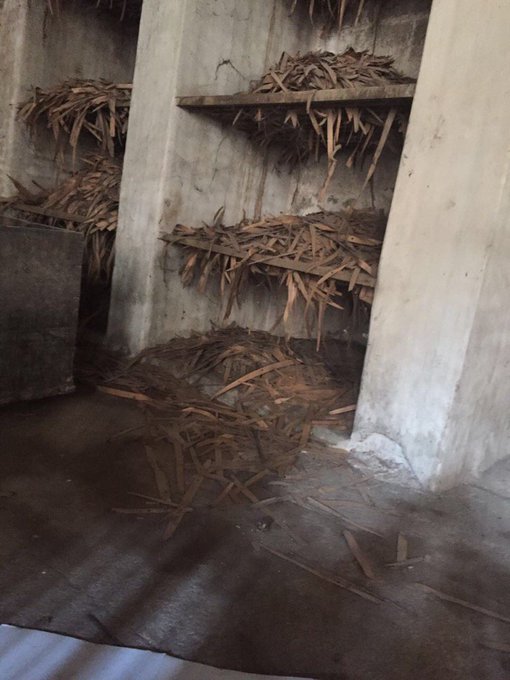
https://x.com/ksmkkbookscom/status/835001141574385664
@ksmkkbookscom
This is how ASI has stored ancient palm leaf manuscripts at Satyagiriswar temple Thirumayam
Re: Know Your India
^^^ The tweet is from 2017..
(short googling -- couldn’t find any local news or an official follow-up about the Satyagiriswar (Sathyagiriswara) Temple, Thirumayam palm-leaf manuscripts beyond the original 2017 social-media post and recent re-shares. The only direct traces online are the 2017 tweet/image and a wave of X/Twitter reposts (2025) that re-circulated the same photo — but no published conservation report, ASI press release, or Tamil-local write-up that documents their present condition...
Absence of evidence ≠ proof of neglect ( there’s no public confirmation of proper archival conservation for that specific stash, in my short google search)
(short googling -- couldn’t find any local news or an official follow-up about the Satyagiriswar (Sathyagiriswara) Temple, Thirumayam palm-leaf manuscripts beyond the original 2017 social-media post and recent re-shares. The only direct traces online are the 2017 tweet/image and a wave of X/Twitter reposts (2025) that re-circulated the same photo — but no published conservation report, ASI press release, or Tamil-local write-up that documents their present condition...
Absence of evidence ≠ proof of neglect ( there’s no public confirmation of proper archival conservation for that specific stash, in my short google search)
Re: Know Your India
Gyan Bharatam Keeps Bharat’s Spirit Alive
Prime Minister highlighted the Gyan Bharatam Mission, under which over one crore manuscripts are being located, preserved, and digitised. Guided by five pillars - preservation, digitisation, capacity-building, research, and outreach - the mission creates a national digital repository, keeping alive the spirit of Bharat’s culture.
My Notes: This is good effort by PM Modiji. I hope ancient sanskrit texts are also included. For Vedas, the oral transmission ensured that generations were able to preserve the precious Veda. Recitation with proper intonation is the key, as heard by the Rishi of yore. There is more in actual recitation which is lost by mere text writing. These mantra sounds heard by Rishis are tappings of the global knowledge base of the universe which is transmitted to those Rishis in deep meditation. It is authorless, meaning it has no one conjuring and writing things down, it is mere transmitted knowledge which is eternal. Preservation by Vedic people included the following techniques:
1. Divisional Protection
2. Meter protection
3. Swara protection
4. Mudra Protection
5. Paatha Protection
Today's generation are bowled over by McCauley education and everything western. Vedic Recitation is becoming rarer. As part of Gyan Bharatam Mission actual proper recitation of Sanskrit Vedas should also be recorded and preserved. The heritage of India has to be preserved and the coming generations need to study and propogate them correctly. I can safely say there is no other text on earth which talks about dharma and aatma which are para subjects.
Prime Minister highlighted the Gyan Bharatam Mission, under which over one crore manuscripts are being located, preserved, and digitised. Guided by five pillars - preservation, digitisation, capacity-building, research, and outreach - the mission creates a national digital repository, keeping alive the spirit of Bharat’s culture.
My Notes: This is good effort by PM Modiji. I hope ancient sanskrit texts are also included. For Vedas, the oral transmission ensured that generations were able to preserve the precious Veda. Recitation with proper intonation is the key, as heard by the Rishi of yore. There is more in actual recitation which is lost by mere text writing. These mantra sounds heard by Rishis are tappings of the global knowledge base of the universe which is transmitted to those Rishis in deep meditation. It is authorless, meaning it has no one conjuring and writing things down, it is mere transmitted knowledge which is eternal. Preservation by Vedic people included the following techniques:
1. Divisional Protection
2. Meter protection
3. Swara protection
4. Mudra Protection
5. Paatha Protection
Today's generation are bowled over by McCauley education and everything western. Vedic Recitation is becoming rarer. As part of Gyan Bharatam Mission actual proper recitation of Sanskrit Vedas should also be recorded and preserved. The heritage of India has to be preserved and the coming generations need to study and propogate them correctly. I can safely say there is no other text on earth which talks about dharma and aatma which are para subjects.
Re: Know Your India
https://x.com/WokePandemic/status/19830 ... tVjeg&s=19
2.29 minutes video of the Canadian in the link above.A Canadian tourist visiting India has following observations about India, There are many things we have which are not anymore in West
We Indians should value things which the west is desperate to have, here are his observations
India feels unsafe when focusing on roads and footpaths, generally speaking.
➡He feels safer India than his home country, Canada.
Because of this, India rarely "feels like a gamble."
 India feels unsafe when focusing on roads and footpaths, generally speaking.
Re: Know Your India
The Indian Remote Sensing (IRS) satellite captured a striking image of the Ram Mandir in Ayodhya!
The aerial image from the IRS satellite shows the temple's intricate design, surrounded by a large courtyard and several smaller shrines dedicated to various Hindu deities.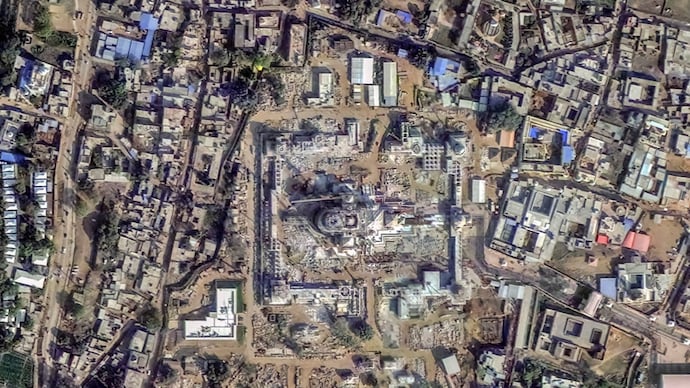
The aerial image from the IRS satellite shows the temple's intricate design, surrounded by a large courtyard and several smaller shrines dedicated to various Hindu deities.
Re: Know Your India
I think where Yajnadevam’s methodology is the weakest is the number of glyph variants he has to identify as representing the same sound (is phoneme the right term)?
Some of his identifications look natural, but, as I recall, many do not.
Note: I am no expert but just looking at a “meta” level at his decipherment.
Some of his identifications look natural, but, as I recall, many do not.
Note: I am no expert but just looking at a “meta” level at his decipherment.
Re: Know Your India
Om sadgati praptirastu!
129 years must be the world record for longevity, or close to it.
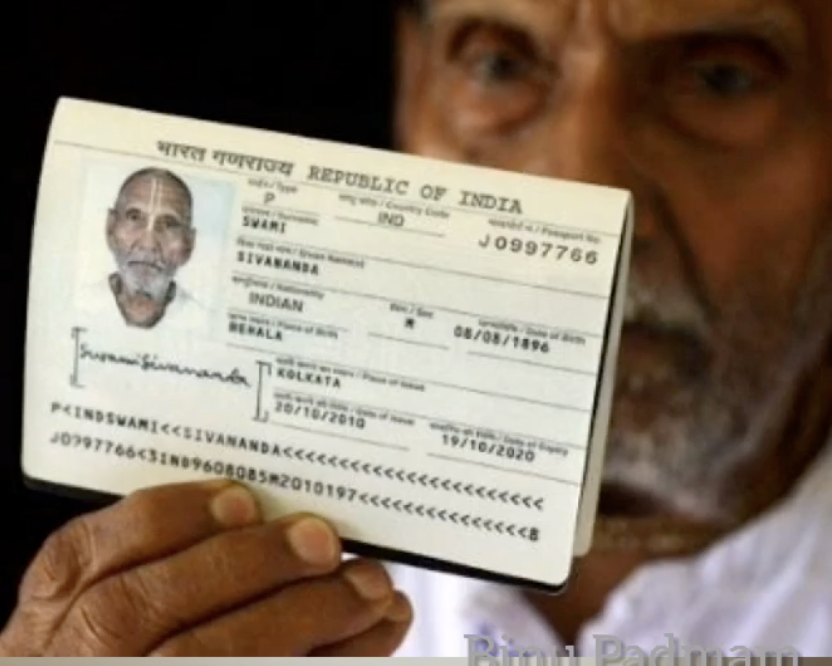
Padma Shri Swami Sivananda passes away at the age of 129....23.11.2025.
129 years must be the world record for longevity, or close to it.
Padma Shri Swami Sivananda passes away at the age of 129....23.11.2025.
Re: Know Your India
Dr M. L. Raja an MBBS doctor, ophthalmologist with deep expertise in epigraphy, archaeology, and history. He is currently Director of AVINASH (Academy of Vibrant National Arts and Scientific Heritage) and of RICH (Research Institute of Chronology and History). In May 2025, he was nominated by Hon’ble Vice President Jagdeep Dhankhar to the Dr. S. Radhakrishnan Chair in the Rajya Sabha for one year. His research interests are focused on Indian historical chronology, ancient inscriptions, Tamil and Sanskrit sources, and preserving traditional heritage.
Dr. M.L. Raja reveals groundbreaking epigraphical evidence that challenges Western narratives about ancient Indian chronology. 916 stone and copper plate inscriptions dated in Kali Yuga years prove this was a historical era used across Bharat, not merely an astronomical construct. Dr. Raja spent five years documenting dated artifacts from across India and neighbouring to show how Kali Yuga served as a common chronological anchor across diverse regions. He demonstrates how temples dedicated to Mahabharata characters span from Tamil Nadu to Kashmir, proving continuous civilizational memory.
Ancient Inscriptions Prove KaliYuga Was Real: Rewriting India's Dating History | Dr M.L. Raja
in Sangam Talks
https://www.youtube.com/watch?v=EbQjyryXtRo
Dr. M.L. Raja reveals groundbreaking epigraphical evidence that challenges Western narratives about ancient Indian chronology. 916 stone and copper plate inscriptions dated in Kali Yuga years prove this was a historical era used across Bharat, not merely an astronomical construct. Dr. Raja spent five years documenting dated artifacts from across India and neighbouring to show how Kali Yuga served as a common chronological anchor across diverse regions. He demonstrates how temples dedicated to Mahabharata characters span from Tamil Nadu to Kashmir, proving continuous civilizational memory.
Ancient Inscriptions Prove KaliYuga Was Real: Rewriting India's Dating History | Dr M.L. Raja
in Sangam Talks
https://www.youtube.com/watch?v=EbQjyryXtRo
Re: Know Your India
We need an Indian History Institute to research all existing knowledge base of India and appoint many people who are contributing to newer understanding of Ancient India. Make them professors and pay them a stipend on monthly basis. Record their research and update an History database with facts. Those interested in such topics can be granted access to such knowledge base to continue their research. There is enough data points to triangulate the truth. Currently, there is too much FUD caused by the Britshits and Western scholars on India which needs to be debunked and rebuked.
Re: Know Your India
Sanjay Dixit has roped into two seminal figures in Indian history of Mahabharat. This is fascinating and must watch.. in Jaipur dialogues.
When Exactly Did the Mahabharata Happen? | Nilesh Oak vs Vedveer Arya Debate | SanjayDixit
Vedveer says around 5000 before present times (roughly 3000 BC) and Nilesh Oak with solid astronomy says 5561 BC. Both rubbish the 500 BC timeframe of academicians who have zilch proof.
// you need to watch patiently and understand the logic which brought each of them to such dates. It is great to see debates like these and there is no acrimony.
When Exactly Did the Mahabharata Happen? | Nilesh Oak vs Vedveer Arya Debate | SanjayDixit
Vedveer says around 5000 before present times (roughly 3000 BC) and Nilesh Oak with solid astronomy says 5561 BC. Both rubbish the 500 BC timeframe of academicians who have zilch proof.
// you need to watch patiently and understand the logic which brought each of them to such dates. It is great to see debates like these and there is no acrimony.
Re: Know Your India
Powerful Vedic Chants | Chanting by Priests of Kashi
I find these Vedic chanting so inspiring and calming for the mind. The breadth of intonation in the chanting is mind boggling.
In Shikshavalli of Taittiriya upanishad it is mentioned that when chanting a vedic mantra four factors must be taken care of when chanting a syllable and these are:
1. Varna (Syllable) – Every syllable must be correctly pronounced.
2. Svara (Accent) – Each syllable must be pronounced with one of the three accents namely Udaata, Anudaata and Svarita
3. Matra(Duration) – Each syllable must be chanted for the proper time duration. There are 4 time durations namely Hrasva, Deergha, Plutam and Ardha maatra.
4. Balam (Effort) – Each syllable must be pronounced with appropriate force.
Hence we must take care to listen and chant a vedic mantra correctly (Any non mantra like shlokas, 108 names etc. can be sung in any manner).
After chanting the mantra, we need to observe where our mind has been. If the recitation is perfect but the mind has been involved in thoughts of office, an individual etc., the results experienced will be minimal. If we give our full attention to the meaning/deity of the mantra during recitation, better results will flow.
Sukta - Purush, Shri, Rudra, Devi, Surya, Brahmanaspati, Vishnu, Suraksha, Shanti
and Mahamrityunjay mantra
I find these Vedic chanting so inspiring and calming for the mind. The breadth of intonation in the chanting is mind boggling.
In Shikshavalli of Taittiriya upanishad it is mentioned that when chanting a vedic mantra four factors must be taken care of when chanting a syllable and these are:
1. Varna (Syllable) – Every syllable must be correctly pronounced.
2. Svara (Accent) – Each syllable must be pronounced with one of the three accents namely Udaata, Anudaata and Svarita
3. Matra(Duration) – Each syllable must be chanted for the proper time duration. There are 4 time durations namely Hrasva, Deergha, Plutam and Ardha maatra.
4. Balam (Effort) – Each syllable must be pronounced with appropriate force.
Hence we must take care to listen and chant a vedic mantra correctly (Any non mantra like shlokas, 108 names etc. can be sung in any manner).
After chanting the mantra, we need to observe where our mind has been. If the recitation is perfect but the mind has been involved in thoughts of office, an individual etc., the results experienced will be minimal. If we give our full attention to the meaning/deity of the mantra during recitation, better results will flow.
Sukta - Purush, Shri, Rudra, Devi, Surya, Brahmanaspati, Vishnu, Suraksha, Shanti
and Mahamrityunjay mantra
Re: Know Your India
How the Rigveda Preserved India’s Ancient History | Former ISRO Scientist Jijith Nadamuri
From satellite mapping at ISRO to research on the Saraswati River, our guest explains how the Rigveda acts like an inscription of ancient civilization, preserving historical memory through rivers, settlements, and migration trails.
33 rivers - Ganga to Kabul rivers - are mentioned in RigVeda. Saraswati river is at the heart of RigVeda. From 2200 BC the river dries up.
From satellite mapping at ISRO to research on the Saraswati River, our guest explains how the Rigveda acts like an inscription of ancient civilization, preserving historical memory through rivers, settlements, and migration trails.
33 rivers - Ganga to Kabul rivers - are mentioned in RigVeda. Saraswati river is at the heart of RigVeda. From 2200 BC the river dries up.
Re: Know Your India
Valedictory address at the Pan IIT Alumni meet in Chennai by Shri S Gurumurthy
The speech by Gurumurthy is about the identity of an Indian. When India is becoming #3 and is a rising nation, there is a need to change the way Indians think. Gurumurthy is urging every Indian to rethink history and understand India and its seminal culture including Sanskrit. Aurobindo who studied abroad in England, and returned back to India, was a great thinker. However he had to unlearn what he studied in England in order to understand India and its great civilizational roots. Aurobindo is considered a great rishi of India. The de-colonization of the the mind is the first step.
Edward Pococke, a thinker, linguist, wrote a book (India in Greece, or truth in mythology: containing the sources of Hellenic race..), in which he claims that Greeks are direct descendants of People from the gangetic plain/Bihar and not European. He claims that most Greek rivers, mountains have connection to the Indian counterparts.
The speech by Gurumurthy is about the identity of an Indian. When India is becoming #3 and is a rising nation, there is a need to change the way Indians think. Gurumurthy is urging every Indian to rethink history and understand India and its seminal culture including Sanskrit. Aurobindo who studied abroad in England, and returned back to India, was a great thinker. However he had to unlearn what he studied in England in order to understand India and its great civilizational roots. Aurobindo is considered a great rishi of India. The de-colonization of the the mind is the first step.
Edward Pococke, a thinker, linguist, wrote a book (India in Greece, or truth in mythology: containing the sources of Hellenic race..), in which he claims that Greeks are direct descendants of People from the gangetic plain/Bihar and not European. He claims that most Greek rivers, mountains have connection to the Indian counterparts.
Re: Know Your India
Know Your India:
Amber G.'s challange:
Who are these three giants? Where was this picture taken.

(Photo Credit - Social Media prof P.S.)
Hint: Three faces that every Brfrite should recognize- This rare photo captures a moment of pure brilliance. If you (or your AI/google search) know who they are, don't spoil it—just drop a " " emoji and a hint (say initials) - just for a few days.
Amber G.'s challange:
Who are these three giants? Where was this picture taken.
(Photo Credit - Social Media prof P.S.)
Hint: Three faces that every Brfrite should recognize- This rare photo captures a moment of pure brilliance. If you (or your AI/google search) know who they are, don't spoil it—just drop a "
" emoji and a hint (say initials) - just for a few days.Re: Know Your India
^^^ No response/guess ? I thought may will recognize these faces. Test your AI or google search for help.
-
S_Madhukar
- BRFite
- Posts: 1245
- Joined: 27 Mar 2019 18:15
Re: Know Your India
On the right is Dr Jayant Naralikar astronomer and sci-fi writer. Associated with IUCAA Pune. Rest I will have to figure out
Re: Know Your India
Yes! (All others are also Giants of the Indian Relativity community).
Re: Know Your India
The #National Science Day Quiz –
@IndiaDST in collaboration with @mygovindia, this quiz celebrates women scientists, key national programmes and India’s STEM achievements.
Uncover stories. Expand your knowledge. Be part of the movement.
National Science Day Quiz (Nari Shakti in Science)
Know your India - Quiz is open for all Indian Citizens.
@IndiaDST in collaboration with @mygovindia, this quiz celebrates women scientists, key national programmes and India’s STEM achievements.
Uncover stories. Expand your knowledge. Be part of the movement.
National Science Day Quiz (Nari Shakti in Science)
Know your India - Quiz is open for all Indian Citizens.
Re: Know Your India
Reversing the Gaze: Rajiv Malhotra on The Battle for Sanskrit & the Future of Indian Heritage
In this exclusive segment, Rajiv Malhotra, the founder of Infinity Foundation, addresses a prestigious gathering during the formal launch of his revolutionary book, The Battle for Sanskrit (Saṃskṛta Samaraḥ). This event, organized by the Infinity Foundation with Central Sanskrit University, honors Malhotra’s decades of Sadhana in protecting the Indian knowledge tradition. Far from a generic lecture, Malhotra’s remarks serve as a definitive defense of his work, articulating how Western Indology has systematically taken over Sanskrit studies over the last two centuries.
Rajiv Malhotra emphasizes that the book is a strategic Purva-paksha (methodical challenge) against Western Academia. He argues that Indian scholars must move beyond internal discussions and engage their opponents in their own language and forums—such as Harvard and Oxford—to reclaim their Adhikara (authority). By highlighting the Western Grand Narrative and its Marxist Historiography, Malhotra calls for a new generation of Sanskrit scholars who are not "compromised" but are equipped for Narrative Warfare. This launch marks a pivotal moment for Narrative Sovereignty, transforming how we view the relationship between Sanskrit and the soul of our civilization.
https://www.youtube.com/watch?v=MIYquzgLNkk
In this exclusive segment, Rajiv Malhotra, the founder of Infinity Foundation, addresses a prestigious gathering during the formal launch of his revolutionary book, The Battle for Sanskrit (Saṃskṛta Samaraḥ). This event, organized by the Infinity Foundation with Central Sanskrit University, honors Malhotra’s decades of Sadhana in protecting the Indian knowledge tradition. Far from a generic lecture, Malhotra’s remarks serve as a definitive defense of his work, articulating how Western Indology has systematically taken over Sanskrit studies over the last two centuries.
Rajiv Malhotra emphasizes that the book is a strategic Purva-paksha (methodical challenge) against Western Academia. He argues that Indian scholars must move beyond internal discussions and engage their opponents in their own language and forums—such as Harvard and Oxford—to reclaim their Adhikara (authority). By highlighting the Western Grand Narrative and its Marxist Historiography, Malhotra calls for a new generation of Sanskrit scholars who are not "compromised" but are equipped for Narrative Warfare. This launch marks a pivotal moment for Narrative Sovereignty, transforming how we view the relationship between Sanskrit and the soul of our civilization.
https://www.youtube.com/watch?v=MIYquzgLNkk
Re: Know Your India
Okay on Birth Anniversary (11 March) here is a world famous Doctor form India:
Can you name her. (Without googling .. but okay if you do)

Hint: Among many honors (including Padm Vibhushan) her uncle and great uncle both are Noble Laureate!
Can you name her. (Without googling .. but okay if you do)
Hint: Among many honors (including Padm Vibhushan) her uncle and great uncle both are Noble Laureate!
Re: Know Your India
Barabar Caves, Bihar
https://www.youtube.com/watch?v=7TTsb_q-7zQ
Some fascinating features of Barabar Caves and the quality of workmanship. (This is first time I came to know about these caves).
The interior of these caves are highly polished granite surface. The roughness is less than 1/20 th of a hair thickness and is even better than normal current day machining of steel! The polishing of such a large surface area by hand seems implausible - maybe sophisticated tools were used. The perfectness of the surface gives it a mirror finish and supposedly acts as a natural sound amplifier. Some interesting tidbits about ancient knowledge of specific sound frequencies/ ranges that are salubrious and claims of how specific frequencies prevent malignant cell formation.
The initial part of the video is about Kailasa temple of Ellora.
There probably is some credence to temple architecture that acts as an energy center, rather than a purely religious function.
https://www.youtube.com/watch?v=7TTsb_q-7zQ
Some fascinating features of Barabar Caves and the quality of workmanship. (This is first time I came to know about these caves).
The interior of these caves are highly polished granite surface. The roughness is less than 1/20 th of a hair thickness and is even better than normal current day machining of steel! The polishing of such a large surface area by hand seems implausible - maybe sophisticated tools were used. The perfectness of the surface gives it a mirror finish and supposedly acts as a natural sound amplifier. Some interesting tidbits about ancient knowledge of specific sound frequencies/ ranges that are salubrious and claims of how specific frequencies prevent malignant cell formation.
The initial part of the video is about Kailasa temple of Ellora.
There probably is some credence to temple architecture that acts as an energy center, rather than a purely religious function.
Re: Know Your India
Kirk Public Lecture: The Ocean of Numbers: How India Shaped the Way We Calculate
Speaker: Professor Clemency Montelle (University of Canterbury, NZ)
Re: Know Your India
Escaping the Digestive Predator: A Story of Reclaiming Adhikara and Civilizational Self-Respect
Infinity Foundation Official 24 Mar, 2026
In this compelling continuation, Rajiv Malhotra speaks with young women who are survivors of radicalization and conversion to uncover the mechanics of radicalization and the systemic Digestion of Hindu identity. The witnesses describe a harrowing "U-Turn" where a lack of Civilizational Literacy and Dharmic Education left them vulnerable to a Predator Civilization that uses Decontextualization and Semantic Hijacking to alienate youth from their roots.
One survivor, Shruti, recounts her experience in a Trojan Horse educational institution where her Ahamkara and Buddhi were targeted through constant mockery of Murti Puja. This "whitewashing" of history—steeped in Marxist historiography—created an Internal Colonization of the mind, leading her to eventually reject her parents as "Kafirs."
The turning point came not through emotional manipulation, but through the rigorous application of Purva-paksha (the traditional method of dialectical critique). By "Reversing the Gaze," their Guru exposed the Western Grand Narrative and the theological inconsistencies of the invading ideology. Today, these women have reclaimed their Adhikara and are part of a mission that has brought back over 8,000 individuals to Sanatana Dharma. Their stories serve as a vital manual for Cultural Self-Defense and Narrative Sovereignty.
Infinity Foundation Official 24 Mar, 2026
In this compelling continuation, Rajiv Malhotra speaks with young women who are survivors of radicalization and conversion to uncover the mechanics of radicalization and the systemic Digestion of Hindu identity. The witnesses describe a harrowing "U-Turn" where a lack of Civilizational Literacy and Dharmic Education left them vulnerable to a Predator Civilization that uses Decontextualization and Semantic Hijacking to alienate youth from their roots.
One survivor, Shruti, recounts her experience in a Trojan Horse educational institution where her Ahamkara and Buddhi were targeted through constant mockery of Murti Puja. This "whitewashing" of history—steeped in Marxist historiography—created an Internal Colonization of the mind, leading her to eventually reject her parents as "Kafirs."
The turning point came not through emotional manipulation, but through the rigorous application of Purva-paksha (the traditional method of dialectical critique). By "Reversing the Gaze," their Guru exposed the Western Grand Narrative and the theological inconsistencies of the invading ideology. Today, these women have reclaimed their Adhikara and are part of a mission that has brought back over 8,000 individuals to Sanatana Dharma. Their stories serve as a vital manual for Cultural Self-Defense and Narrative Sovereignty.
Re: Know Your India
(As a follow-up to the above link by @bala gaaru, here is the first part)
Why Purvapaksha Matters: Stories of Returning from Islam
Premiered Aug 26, 2025
Rajiv Malhotra recently had a riveting conversation with the girls of Aarsha Vidya Samajam at Thiruvananthapuram, Kerala.
Their stories of conversion to Islam and back to their roots have some important lessons for the Hindu society. Their stories highlight the importance of Purvapaksha that he has extensively discussed & explained in his numerous books.
Why Purvapaksha Matters: Stories of Returning from Islam
Premiered Aug 26, 2025
Rajiv Malhotra recently had a riveting conversation with the girls of Aarsha Vidya Samajam at Thiruvananthapuram, Kerala.
Their stories of conversion to Islam and back to their roots have some important lessons for the Hindu society. Their stories highlight the importance of Purvapaksha that he has extensively discussed & explained in his numerous books.
Re: Know Your India
Excellent! Thank you.
Vishweshwara, Raychaudhuri and Narlikar.
Giants of the Indian Relativity community.
Photo Credit: Prof Sen
Please read on - context know your India:
Background is RRI - The Raman Research Institute (RRI) was founded by Nobel Laureate Sir C.V. Raman and is a premier center for research in physics, including gravitation and relativity.
The distinctive "Indian-ish" architecture seen in the background is the iconic main building of the RRI campus.
All three physicists pictured had deep professional ties to the institute. C.V. Vishveshwara, for instance, was a senior professor there and founded the Bangalore Association for Science Education (BASE).

These three men are giants in general relativity and black hole physics.
Raychaudhuri is famous for the Raychaudhuri equation, fundamental to the singularity theorems of Hawking and Penrose.
Vishveshwara (often called "the black hole man of India") did pioneering work on black hole stability and quasinormal modes.
Narlikar is renowned for his work on cosmology and the Hoyle–Narlikar theory.
---
(Interestingly AI (many) which I tried guessed wrong (and that too confidently
 ) eg one of the pro version went like "The distinctive stone architecture in the background is characteristic of the BARC campus".,,,
Dr. Sethna (left) and Dr. Ramanna (center) Dr. Iyengar (right) ..Arrogantly.. incorrect with confidence - BRF is better
).
Re: Know Your India
Okay Next challenge:
Can you guess this physicist? (Without googling if possible, but okay if you do)
She’s a world-renowned expert in soft matter physics who recently traded the lab for the stage!
A rare shift from theoretical physics to the stage. She appeared on stage with no formal acting training. She played herself about her life, death, and loss in front of strangers.
A one-act play that blends science, memory, and performance. It was written and directed by her son.
She just won a prestigious Obie Award for her performance.

Can you guess this physicist? (Without googling if possible, but okay if you do)
She’s a world-renowned expert in soft matter physics who recently traded the lab for the stage!
A rare shift from theoretical physics to the stage. She appeared on stage with no formal acting training. She played herself about her life, death, and loss in front of strangers.
A one-act play that blends science, memory, and performance. It was written and directed by her son.
She just won a prestigious Obie Award for her performance.
Re: Know Your India
Amber G Ji,
I had to look up Google chacha to get this info, but I am glad I did.
She is Dr V. Shantha, an Oncologist and a former director of Adyar Cancer Institute, Chennai. I did not know about her illustrious family till I saw your post and which is what piqued my interest to explore more about her.
Re: Know Your India
Excellent. Also instead of Google, one can look up BRF where I talked about her.Kanoji wrote: ↑25 Mar 2026 08:26 ...
I had to look up Google chacha to get this info, but I am glad I did.
She is Dr V. Shantha, an Oncologist and a former director of Adyar Cancer Institute, Chennai. I did not know about her illustrious family till I saw your post and which is what piqued my interest to explore more about her.
see <this post 8 years ago>
I have very treasured memories of many in this family.. I am very happy and proud that some of the mine and their next generation people are good friends too..
Let me post it here again about that illustrious family.!
Amber G. wrote: ↑21 Oct 2018 05:03Yes, the family had *many* many world renowned personalities. Not only in Physics or sciences but in arts, medicine too. Many of his family members are/were very modest - for example a nephew was my classmate and very good friend, but no one in IIT (except very close friends) even knew that he was related to the family. (Our families have been close friends for 50+ years)ArjunPandit wrote:^^^.... Didn't know cv Raman and s Chandrasekhar were related. Very Nobel family indeed.
Let me just mention a few famous people in this family which many here may know but may not realize it (or may not even know this)
Chandrasekhara Venkata (C. V.) Raman (Noble Prize, Raman Effect)
Chandrasekhara Ramaswamy (brother of C. V. Raman) - famous meteorologist - (Ex) Director-General of the Indian Meteorological Department - Authority on Indian monsoonal patterns. (Very nice family - everyone in his family was very smart. (They were also very kind and fun loving for us kids). I learned a lot from him and his family - now second/third generation of the family - all at extremely good places)
Venkatraman Radhakrishnan (son of C. V. Raman) Astrophysicist(pulsars, interstellar clouds etc) .
Subrahmanyan Chandrasekhar (nephew of C. V. Raman - Nobel) Astrophysicist
Sivaraj Ramaseshan (nephew of C. V. Raman) Famous crystallographer (was Director of the Indian Institute of Science, President of the Indian Academy of Sciences etc.
Sivaramakrishna Chandrasekhar (nephew of C. V. Raman) Another famous physicist (liquid crystal technology - and since name was similar/ same as "chandra".. was many times confused with other nephew the astrophysicist.
Sivaramakrishna Pancharatnam (nephew of C. V. Raman) distinguished optical physicist (Pancharatnam phase for polarized beams passing through crystals was after this guy's name.
Chidambara Chandrasekaran (nephew of C. V. Raman) Famous demographer and biostatistician ( with Edwards Deming, he devised the Chandra-Deming formula) Big shot in Indian government/the World Bank and the United Nations- President of the International Union for the Scientific Study of Population
Ramaswamy Rajaram Another physicist (his wife is also a first rate physicist and their son too)
Of course, there are many in next generations - for example - V. Shanta (great-niece of C. V. Raman) a famous oncologist,
Uma Parameswaran (great-niece of C. V. Raman a Indo-Canadian author ( biographer of her great-uncle C. V. Raman.)
****
Another thing which impressed me was CV Raman (and his brothers/nephews/nieces) knowledge in other fields. CV Raman knew LOT about botany, Human eye (medical) etc.. I was amazed he will pick new stuff very fast.
From mother's side Shivaji Ganeshan (Tamil super film star) was close relative.. And some very famous Tamil authors.
***
Another incredible fact is some brilliant women in the family - Lalitha (Chandra's wife) was one of the first (if not the first) Indian woman - she was the only - one of very rare - woman grad-student of CV Raman. Lalitha comes from a very brilliant (and famous) family from her mother's side. (Chandra's love marriage was unusual in those days but this was a very brilliant couple and they had a very happy life)
(There is a biography by Wali which is very nicely written - If people want to read further about the family).
I could go on. I have very treasured memories and I am very happy and proud that some of the mine and their next generation people are good friends.
Re: Know Your India
Excellent post. As an aside, one line in particular caught my eye - "From mother's side Shivaji Ganeshan (Tamil super film star) was close relative.. ". Interesting. Have you had a chance to interact with the Shivaji of Tamil cinema? Just curious.Amber G. wrote: ↑25 Mar 2026 10:29
Excellent. Also instead of Google, one can look up BRF where I talked about her.
<this post 8 years ago>
Re: Know Your India
I actually never had the chance to meet Sivaji Ganesan. In fact, I grew up knowing very little about film personalities, even in Hindi cinema before I met them (this family through my classmate). I only later learned what a truly legendary actor he was!
What I found most remarkable was that, while the family had connections to him and several famous Tamil writers, they remained incredibly modest. They were always extremely generous in sharing their knowledge, which is what I remember most fondly about them.
What I found most remarkable was that, while the family had connections to him and several famous Tamil writers, they remained incredibly modest. They were always extremely generous in sharing their knowledge, which is what I remember most fondly about them.
Re: Know Your India
Okay - Another Challenge (Without (or with) googling can you guess who is this Legendary theoretical Physicist)

Hint(s) : ( See how many you need)
Hint(s) : ( See how many you need)
- First Indian to Win Boltzmann Medal (Highest recognition in statistical physics)
Padma Bhushan for his contribution in Physics
Shanti Swarup Bhatnagar Prize for Science and Technology
Born & Brought up in Uttar Pradesh
Completed his Master’s from IIT Kanpur ( A few years after yours truly )
PhD at CalTech under a physicist and adventurer who lost at sea (and presumed drowned) during a circumnavigation attempt.
Made foundational contributions to fractals, stochastic processes & critical phenomena
Explained how complex systems naturally evolve to critical states
Spent decades at Tata Institute of Fundamental Research shaping modern statistical physics.
Post retirement he served as Distinguished Prof at Institute of Science Education and Research Pune
Currently as Distinguished Professor at ICTS-TIFR.
He is Still pushing the frontiers of complexity and randomness.
Re: Know Your India
Thank you Amber G ji.Amber G. wrote: ↑26 Mar 2026 00:17 I actually never had the chance to meet Sivaji Ganesan. In fact, I grew up knowing very little about film personalities, even in Hindi cinema before I met them (this family through my classmate). I only later learned what a truly legendary actor he was!
What I found most remarkable was that, while the family had connections to him and several famous Tamil writers, they remained incredibly modest. They were always extremely generous in sharing their knowledge, which is what I remember most fondly about them.
Re: Know Your India
"The purpose of science is not just to publish papers. It is to change lives."
Another challenge - Can you name him? He did not just say that. He proved it - One paper strip at a time."

Every time a poor family gets a medical test for 2 rupees, he made that possible.
Hint:
Another challenge - Can you name him? He did not just say that. He proved it - One paper strip at a time."
Every time a poor family gets a medical test for 2 rupees, he made that possible.
Hint:
- In 2025 he became Director of IIT Kharagpur
An Indian mechanical engineer born in West Bengal
B.Tech in Mechanical Engineering.
IISc Bangalore- M.E.( Gold Medal)
PhD from IISc in
Joined IIT Kharagpur as Assistant Professor
Full Professor by 2008.
Built the first ever Microfluidics Lab in India of global standards.
Invented Paper and Pencil Microfluidics, a technology that runs medical diagnostic tests on simple paper strips
Developed COVIRAP, India's own rapid molecular diagnostic test for COVID-19
Invented a hand held device that detects oral cancer on the spot
Built a blood test kit that costs less than 2 rupees per test
All built for the people who cannot afford hospitals
Shanti Swarup Bhatnagar Prize in 2013, Infosys Prize in Engineering and Computer Science, 2022
25 patented technologies. 50 PhD students trained
Re: Know Your India
Is it Raghav Chaddha given how it is lately? 
Its either Prof Suman Chakraborty or Dr Mondal coinventors of COVIRAP.
Its either Prof Suman Chakraborty or Dr Mondal coinventors of COVIRAP.
Re: Know Your India
Wow, never heard of such a distinguished scientist.Amber G. wrote: ↑28 Mar 2026 01:42 Okay - Another Challenge (Without (or with) googling can you guess who is this Legendary theoretical Physicist)
[img...]https://pbs.twimg.com/media/HEbHzbcbEAA ... ame=medium[/img]
Hint(s) : ( See how many you need)
- First Indian to Win Boltzmann Medal (Highest recognition in statistical physics)
Padma Bhushan for his contribution in Physics
Shanti Swarup Bhatnagar Prize for Science and Technology
Born & Brought up in Uttar Pradesh
Completed his Master’s from IIT Kanpur ( A few years after yours truly
PhD at CalTech under a physicist and adventurer who lost at sea (and presumed drowned) during a circumnavigation attempt.
Made foundational contributions to fractals, stochastic processes & critical phenomena
Explained how complex systems naturally evolve to critical states
Spent decades at Tata Institute of Fundamental Research shaping modern statistical physics.
Post retirement he served as Distinguished Prof at Institute of Science Education and Research Pune
Currently as Distinguished Professor at ICTS-TIFR.
He is Still pushing the frontiers of complexity and randomness.
Boltzmann Medal in 2022 ----
Deepak Dhar, Tata Institute of Fundamental Research for
"his seminal contributions in the field of statistical physics, including exact solutions of self-organised criticality models, interfacial growth, universal long-time relaxation in disordered magnetic systems, exact solutions in percolation and cluster counting problems and definition of spectral dimension of fractals."
Re: Know Your India
@Tanaji ji. You are right.
2022 Infosys Prize citation below:
Suman Chakraborty, Indian Institute of Technology Kharagpur. Awarded for "his pioneering work in elucidating the interaction of fluid mechanics, interfacial phenomena, and electromechanics at the micro- and nanoscale. Using this understanding he has helped to advance healthcare in resource-limited settings through the invention of novel low-cost medical devices for sensing, diagnostics and therapeutics."